
Why Humidity Makes Your Home Feel Hotter Than the Thermostat Says
When the Temperature Looks Fine - But Feels Miserable
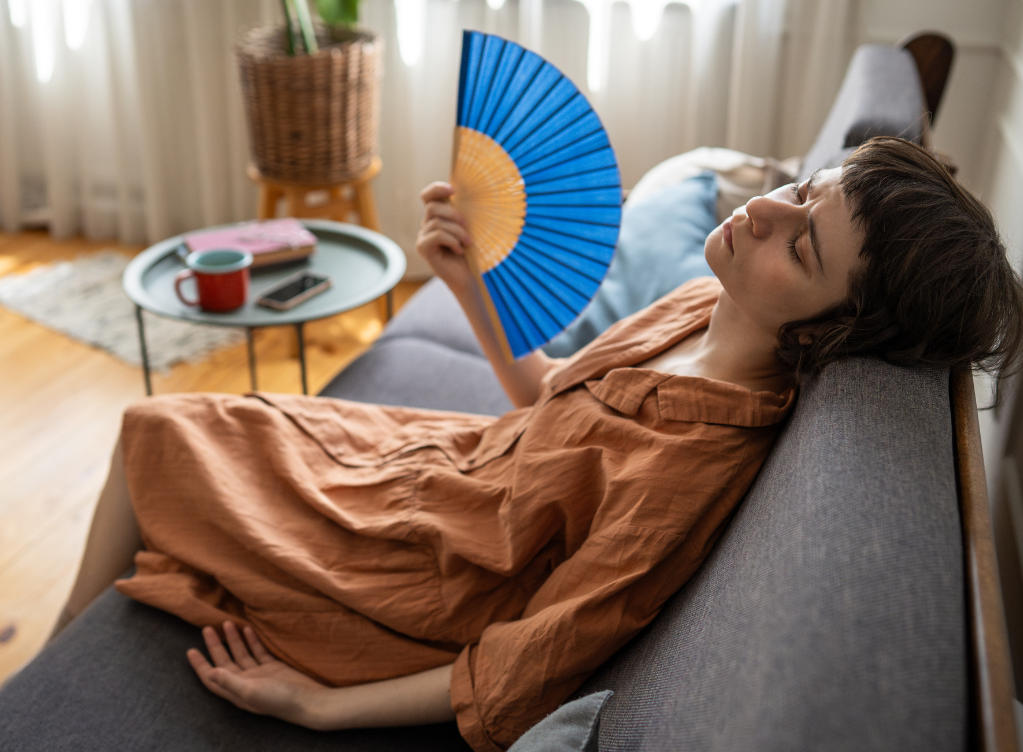
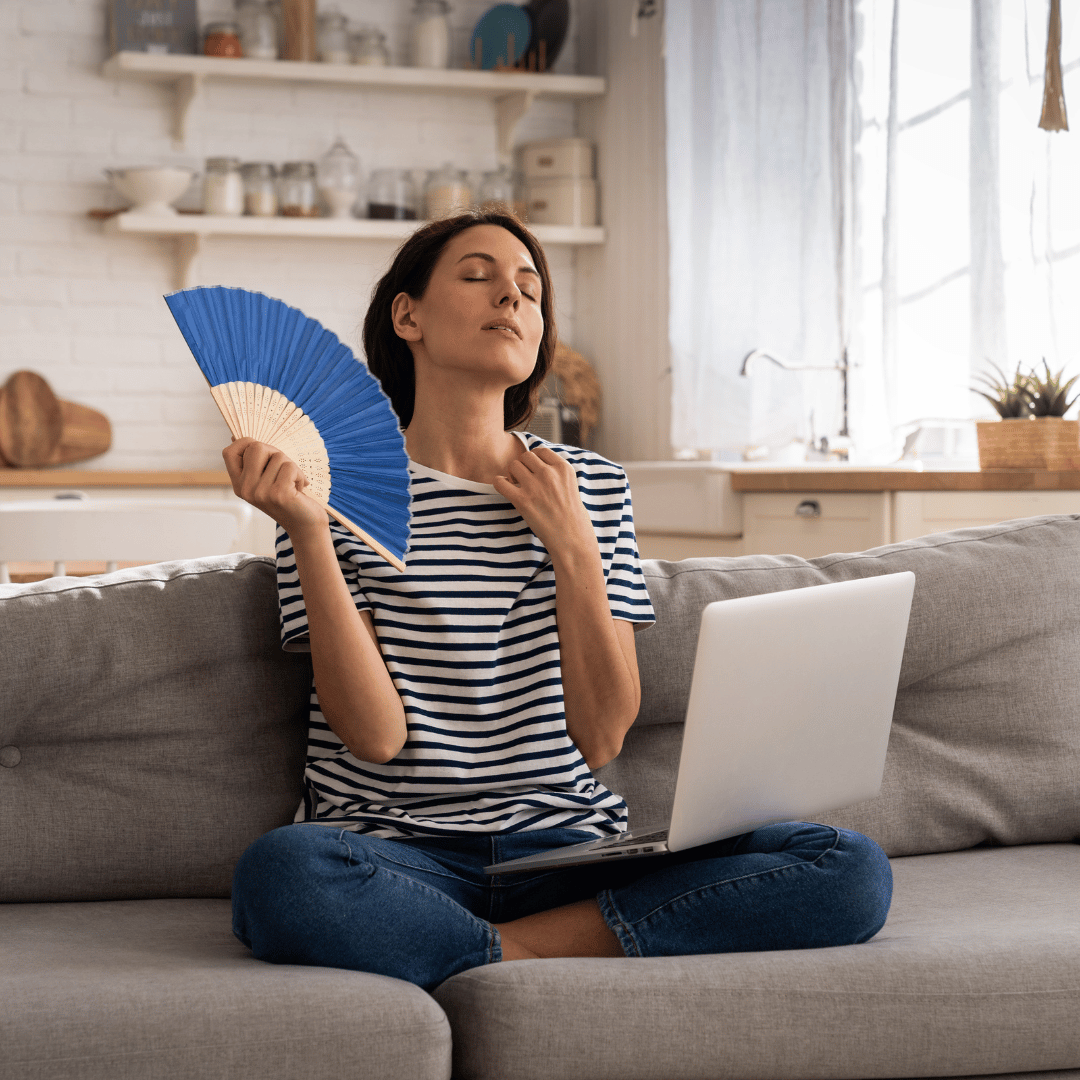
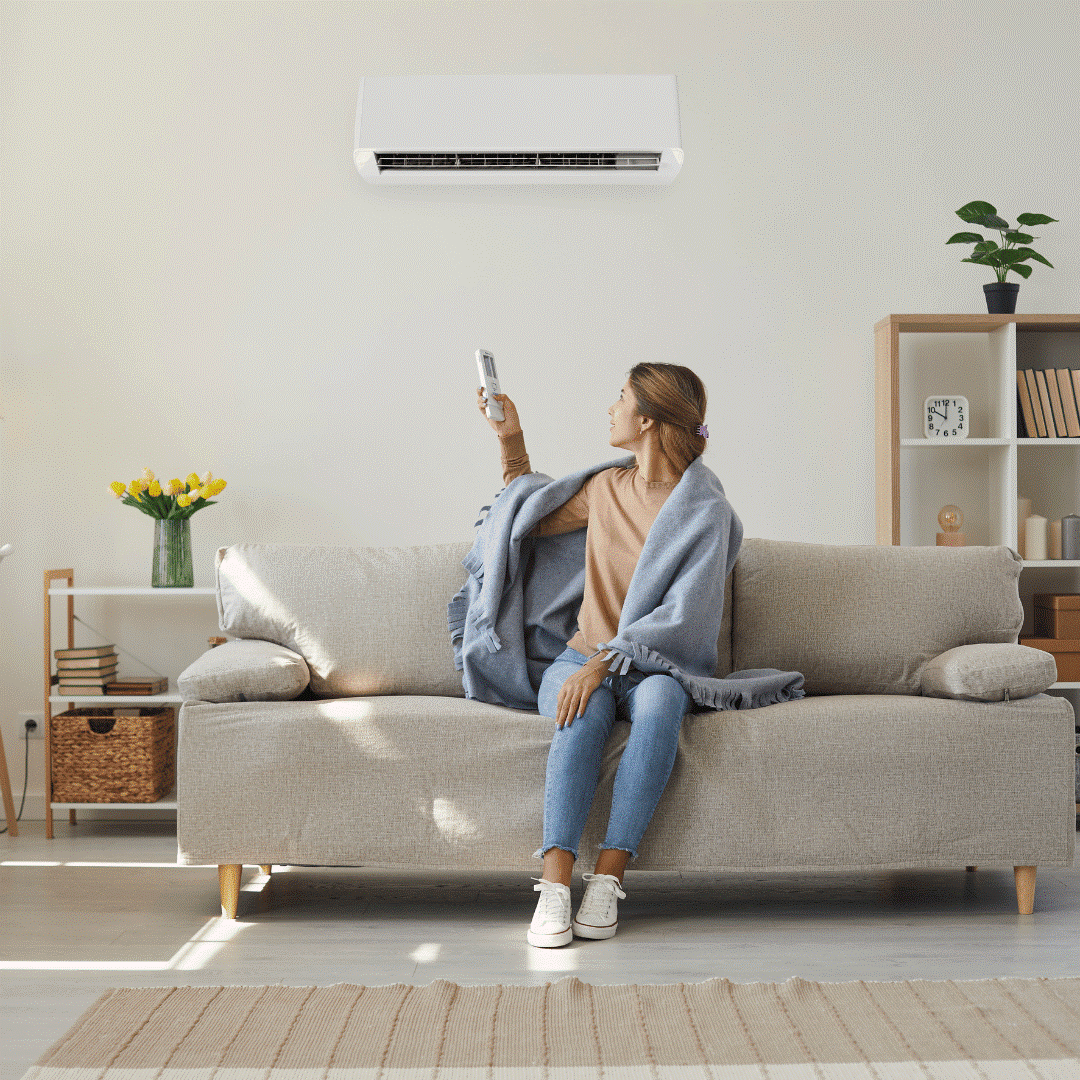
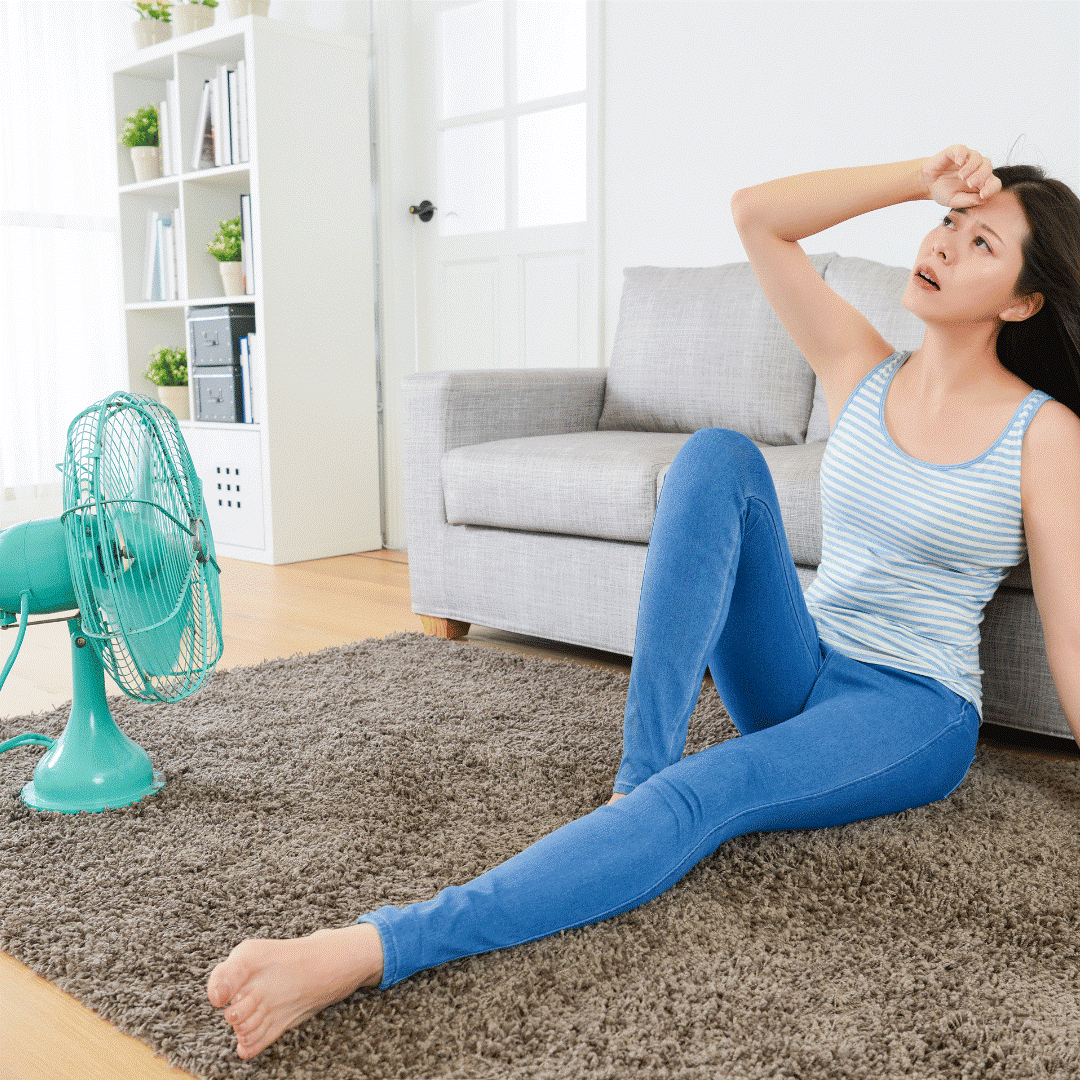
Your thermostat says 74°F, yet your home still feels warm and sticky. Sound familiar? Many homeowners - especially those living near the coast - deal with this frustrating home AC problem. The culprit is often humidity, not temperature. When indoor humidity levels climb too high, the air feels heavier and your body struggles to cool itself. That’s why your home may feel uncomfortable even when the air conditioner is running.
What Humidity Actually Means
Humidity refers to the amount of water vapor in the indoor air. It’s typically measured as relative humidity, which compares how much moisture is in the air compared to how much it could hold at that temperature. When relative humidity is high, the air is saturated with moist air, making it harder for sweat to evaporate. That’s why temperature and humidity together determine how comfortable your home really feels.
Why Coastal Homes Feel It More
Living near the coast has plenty of perks, but outdoor humidity is often higher year-round. That humid air can easily enter your home through natural ventilation, small air leaks, or everyday activities like cooking and showering. When outdoor air brings in more moisture, it raises your indoor humidity, making it harder to maintain a comfortable indoor environment.
The Ideal Humidity Range for Comfort
For a comfortable and healthy living space, experts recommend keeping humidity within an optimal range of about 30% to 50%. These recommended relative humidity levels help maintain ideal indoor humidity while protecting your home. Staying within this range helps you maintain optimal humidity levels, improve air quality, and support a balanced indoor environment.
What Happens When Humidity Gets Too High
When humidity levels rise above the optimal indoor humidity levels, problems start to appear. High humidity can lead to excess moisture collecting on cold surfaces, which may promote mold growth. It can also encourage dust mites and even bacterial growth, contributing to reduced indoor air quality and possible respiratory discomfort. Over time, this environment can impact both your comfort and your healthy living space.
How Your Air Conditioner Helps Control Humidity
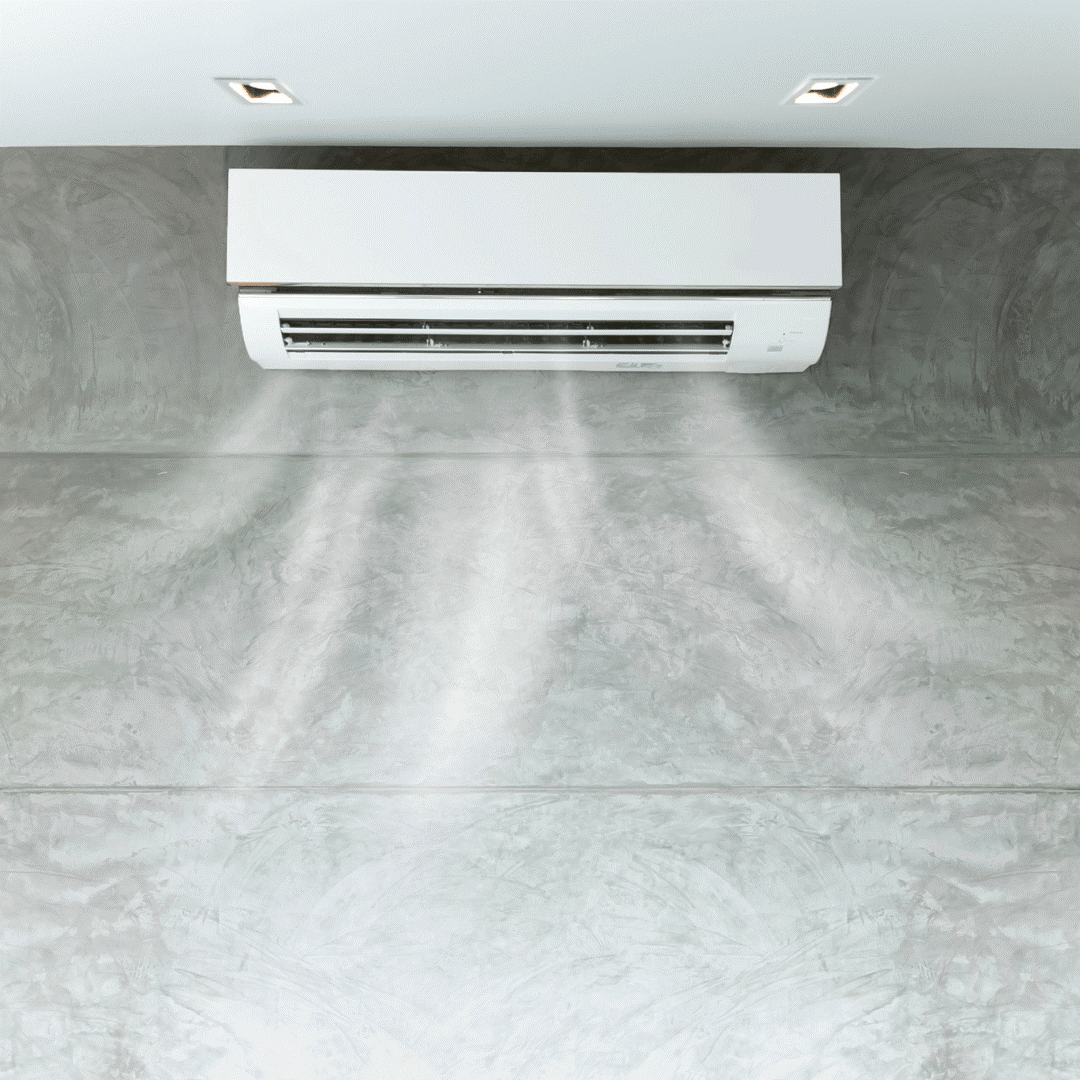
Your air conditioning system doesn’t just cool the air - it also helps remove moisture from the air. As warm air passes over the cold coils inside your HVAC system, moisture condenses and drains away. This process helps control humidity and maintain consistent humidity levels throughout your home. But if your air conditioner is poorly sized or not properly maintained, it may struggle with managing indoor humidity levels.
Signs Your Home Has a Humidity Problem
If your home feels uncomfortable even when the outdoor temperature drops, humidity may be the issue. You might notice moisture from the air forming on windows, a musty smell, or even dry skin during colder months when heating systems affect moisture levels. These are signs that indoor humidity plays a bigger role in your indoor comfort than you might realize.
Practical Ways to Control Indoor Humidity
Fortunately, there are several simple ways to start controlling indoor humidity. Running exhaust fans in kitchens and bathrooms helps remove moisture at the source. Improving proper ventilation and installing modern ventilation systems can also increase air circulation and bring in fresh air. Even indoor plants like spider plants, which release moisture through a process called transpiration, can help support balanced humidity when used wisely.
Why Professional Humidity Control Matters
Sometimes, everyday solutions aren’t enough—especially in coastal climates with consistently high humidity. Professional indoor humidity control solutions help reduce excess moisture, improve energy efficiency, and support a comfortable and healthy indoor environment. A properly tuned HVAC system makes a big difference when it comes to managing indoor humidity effectively.
Ready for a More Comfortable Home?
Your home should feel like a place where you can relax, not a place where you battle sticky air. If humidity is making your house feel hotter than your thermostat says, the right humidity control strategy can help restore a comfortable temperature and healthier indoor environment.
At Salt Air Heating Cooling & Electrical, we specialize in helping coastal homeowners maintain optimal humidity levels and create a comfortable and healthy living environment. If you’re ready to improve your indoor air quality and overall indoor comfort, our team is here to help with honest advice and proven solutions.