
Is Your Home’s Wiring Ready for the Next 10 Years?
Think about the technology you used ten years ago. Now, look around your house today. The difference is likely staggering. From smart fridges to electric vehicles, our lives are running on more power than ever before. But here is the critical question: is your house keeping up?
For most homeowners, the electrical system is out of sight and out of mind—until a breaker trips or an outlet sparks. But waiting for a failure isn't a strategy; it’s a risk. At Salt Air Heating Cooling & Electrical, we want to help you look ahead.
Preparing your home for the next decade isn't just about adding a few new outlets; it is about safety, capacity, and lifestyle. Let’s explore how you can future proof wiring for the home and why it matters now more than ever.
Why "Good Enough" Wiring Isn't Enough Anymore
Many older homes were built when the average family owned one TV and a toaster. Today, the load is completely different. We have a constant demand for energy to charge laptops, run air conditioners, and power high-efficiency appliances.
If your current electrical system was installed twenty or thirty years ago, it likely wasn't designed for today's technology, let alone what is coming in the next ten years. You might notice you need more electricity than your system can safely provide. Overloaded circuits are not just an annoyance; they are a warning sign. By upgrading now, you ensure your home can handle the flow of power required for modern living without straining the wires hiding behind your walls.
The Silent Signs Your Electrical System is Struggling
How do you know if it is time to call a professional? Your house often tells you. If lights flicker when the AC kicks on, or if you are constantly resetting a breaker, your system is at capacity.
You might see discolored switches or outlets that feel warm to the touch. These are dangerous red flags. In older wiring, the insulation can degrade, or the connections can loosen over time. This creates resistance, heat, and potential failure. We can help you test these devices and evaluate the overall health of your network to ensure your family is safe.
Understanding the Risks: Fire Hazards and Arcing Faults
Safety is the number one reason to upgrade. Old wiring is a leading cause of electrical fires. One specific danger we look for is arcing faults. This happens when a wire is damaged or a connection is loose, causing electricity to "arc" or jump between contact points. This generates intense heat and can easily ignite wood or insulation.
Modern codes require specific protection against this. If your home lacks these safety updates, you are living with an unnecessary fire hazard. A thorough inspection by a licensed electrician can identify these risks before they become tragedies.
The Heart of the Home: Does Your Electrical Panel Need a Boost?
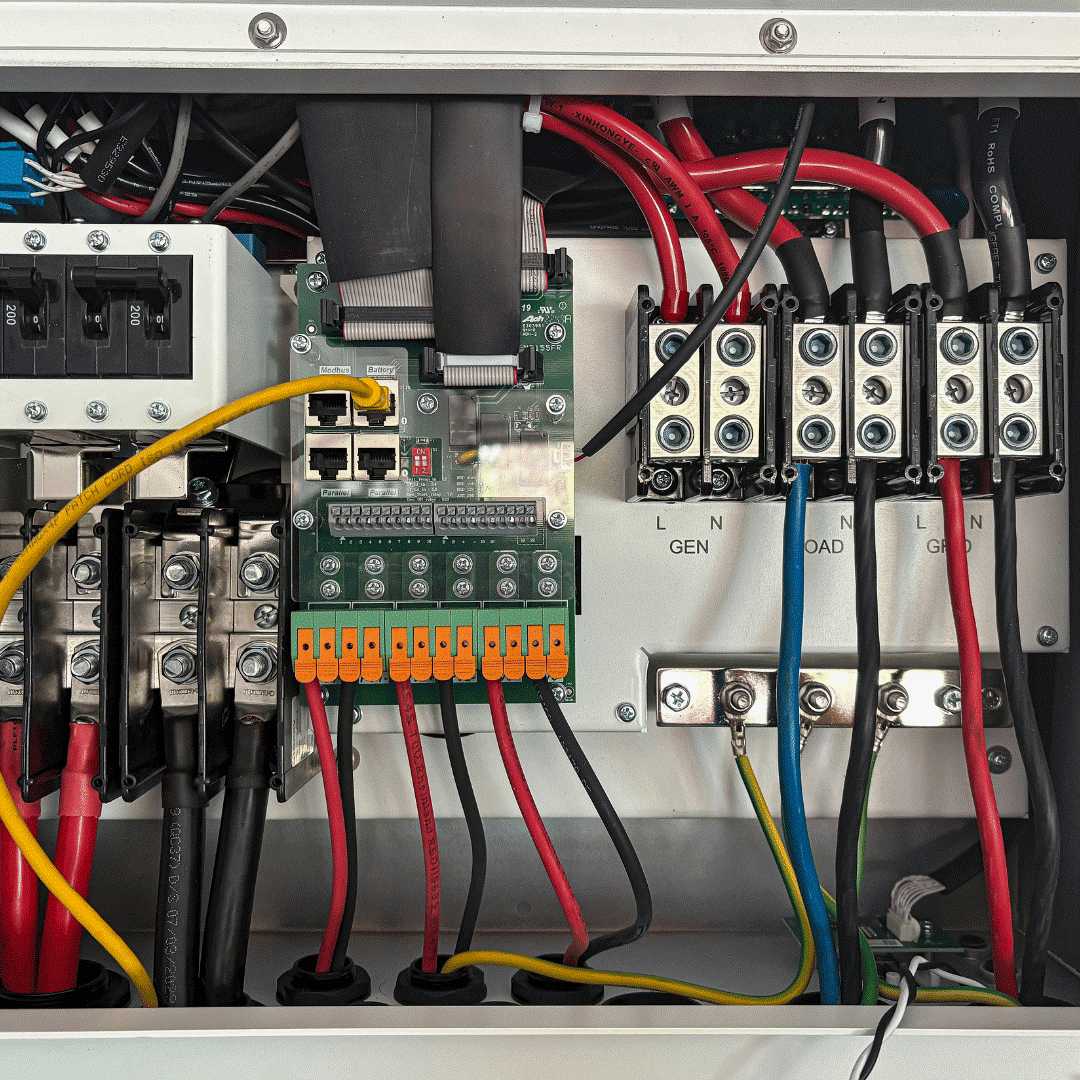
Think of your electrical panel as the brain of your home's nervous system. If the brain is overwhelmed, the body can't function. Many older homes still operate on 60 or 100-amp panels. For a modern home, especially one planning for the future, 200 amps is often the new standard.
If you are planning a service upgrade, a new panel is usually the first step. This gives you more physical space for breakers and higher total amperage to distribute throughout the house. It allows you to add dedicated circuits for heavy equipment without worrying about tripping the main power.
Future Proofing 101: EVs, Induction Stoves, and Solar
What does the next decade look like? It looks electric. Many homeowners are switching to induction stoves, which cook faster and safer but require a dedicated high-voltage line. Others are looking into solar panels to save on energy bills.
Perhaps the biggest change is in the garage. As electric vehicles become standard, you will need a Level 2 charger to charge your car overnight. This requires significant power. If you plan to present your home as a modern, updated property—or simply want to enjoy these technologies yourself—you need to prepare the wiring now. Installing the infrastructure for this equipment during a renovation is much cheaper than doing it as a standalone project later.
Renovations and Additions: Wiring for New Spaces
Are you finishing a basement or adding a family room? This is the perfect time to address your wiring. When you have walls open for new construction, it is the most cost-effective time to run new wire.
Don't just think about where you need a plug today. Think about where you might want a desk, a mounted TV, or smart home hubs in the future. We can help you create a wiring plan that anticipates these needs. Whether it's the attic, the basement, or new bathrooms, having power exactly where you need it changes how you experience your home.
Safety First: GFCI and Modern Protection
You have likely seen outlets with "Test" and "Reset" buttons in your kitchen or bath. These are Ground Fault Circuit Interrupter (GFCI) outlets. They are designed to cut power instantly if they detect a ground fault—essentially preventing electrocution, especially near water.
If your home relies on standard outlets in wet areas, you are taking a risk. Upgrading these is a quick, vital electrical work task that drastically improves safety. Furthermore, we now look at Arc Fault Circuit Interrupters (AFCI) for bedrooms and living areas to prevent fires. These upgrades bring your home up to current code standards.
The Financial Side: Project Cost, Tax Credits, and Rebates
We understand that budget is a concern for every user. Homeowners often worry about project cost. However, viewing electrical upgrades as an investment is key. Not only does it increase your home's resale value, but there are also often financial incentives available.
Government tax credits and utility company rebates can significantly offset the cost of upgrading to high-efficiency panels or installing EV chargers. When you factor in the potential insurance savings and the avoidance of costly emergency repairs later, the benefits of proactive rewiring become clear. We can help you navigate these options to ensure you get the most value for your labor and materials investment.
Why You Need a Licensed Electrician (Not a DIY Job)
In the age of YouTube, it is tempting to try and fix things yourself. But electricity is unforgiving. A mistake here doesn't just mean a device won't work; it can result in injury or fire.
Hiring a licensed electrician from Salt Air ensures the job is done right. We handle the permitting, coordinate with the utility company, and ensure every connection meets strict safety codes. We check the inspector requirements so you don't have to. We measure the load calculations precisely so your system is balanced. When we leave, you have peace of mind knowing the work is complete and safe.
How Salt Air Heating Cooling & Electrical Can Help
We are proud to serve our community. We don't just come in, tear up your house, and leave. We treat your home with respect. Our process starts with listening. We want to understand your plans—whether that’s buying a Tesla next year or remodeling the kitchen in five years.
We act as your partner and contractor. We will assess your current system, explain your options in plain English, and design a solution that fits your life. From replacing a single switch to a full house rewire, we provide the same level of care and expertise.
Conclusion
Is your home ready for the next 10 years? If you are relying on a vintage electrical system, the answer is likely no. But the solution is easier than you think.
By choosing to upgrade your panel, install safety devices, and plan for future technology, you are protecting your biggest asset and your family. You create a safer, more efficient, and more valuable home.
Don't wait for the lights to go out. Contact Salt Air Heating Cooling & Electrical today. Let’s connect and build a plan to power your future, safely and reliably.