
Common HVAC Problems: Coastal Homeowners Face and Why They Happen More Often Near the Coast
There is nothing quite like the feeling of the ocean breeze on your face or the sound of waves crashing in the distance. Living on the coast in North Carolina offers a lifestyle that many people only dream of. But as much as we love the salt air, your HVAC system might not share the same enthusiasm.
The very elements that make coastal living so beautiful—the salt, the sand, and the humidity—can wreak havoc on your heating and cooling equipment. If you have noticed that your air conditioner seems to struggle more often than it should, or if you are replacing parts frequently, you aren't imagining things. The coastal environment presents unique challenges that require specific solutions.
In this guide, we will break down the most Common HVAC Problems Coastal Homeowners Face and explain exactly why the coast is so tough on your units. More importantly, we’ll show you how the right maintenance and HVAC services can make all the difference in protecting your investment and ensuring total comfort.
The Invisible Enemy: Salt Corrosion on Your HVAC Unit
One of the biggest issues we see as hvac technicians working near the coast is corrosion. Salt acts as an accelerant for rust. When salt spray travels on the breeze, it settles on your outdoor condenser unit. Over time, this salt eats away at the metal fins and coils that are essential for heat transfer.
This isn't just a cosmetic issue. When corrosion sets in, it insulates the coils, making it harder for your cooling system to release heat. Your system has to work harder to cool your home, leading to higher energy bills and a shorter lifespan for the equipment. If left unchanged, severe corrosion can lead to refrigerant leaks and eventual system failure. A research study showing how salt exposure affects air conditioner condenser coils and performance in coastal areas, useful for backing up discussion about corrosion.
At Salt Air Heating Cooling & Electrical, we understand that standard equipment often isn't enough. We recommend and install corrosion resistant materials and specially coated coils designed to withstand the harsh salty environment. Using the right hvac system for your specific location is the first line of defense against premature rust.
The Heavy Burden of High Humidity
We all know how humid North Carolina summers can be. While you can retreat inside to escape the sticky weather, your air conditioner is on the front lines fighting it. In coastal areas, humidity levels are consistently higher than inland regions. Your AC has two jobs: cooling the air and removing moisture.
When humidity is excessive, your hvac system has to run longer cycles to pull that moisture out of the air. This puts significant strain on the compressor and fans. If your unit is undersized or aging, it might cool the air but fail to dehumidify it properly, leaving your home feeling clammy and uncomfortable.
This excess moisture can also lead to biological growth inside your ductwork or on the evaporator coils, which has a negative impact on your indoor air quality. We prioritize clean air by checking humidity levels during our maintenance visits and suggesting solutions like whole-home dehumidifiers or high-efficiency heat pumps that offer superior moisture control.
Sand and Debris: Not Just for the Beach
Sand gets everywhere. If you live near the beach, you know this is a fact of life. Unfortunately, sand also finds its way into your heating and air equipment. Airborne sand particles can get sucked into the outdoor unit, clogging up the fins and restricting airflow.
Blocked airflow is a major coastal HVAC issue. When air can't move freely through the coils, the efficiency of the entire system drops. This can cause the compressor to overheat or the evaporator coil to freeze up. Furthermore, sand is abrasive. As it whips around inside your unit, it can wear down fan blades and other moving parts.
Regular maintenance is the key to combatting this. Our team ensures that your coils are thoroughly cleaned and that debris is removed from the cabinet. Keeping your system free of sand allows it to operate at overall efficiency, saving you money and extending the life of the unit.
Electrical Component Failure Due to Salt Air
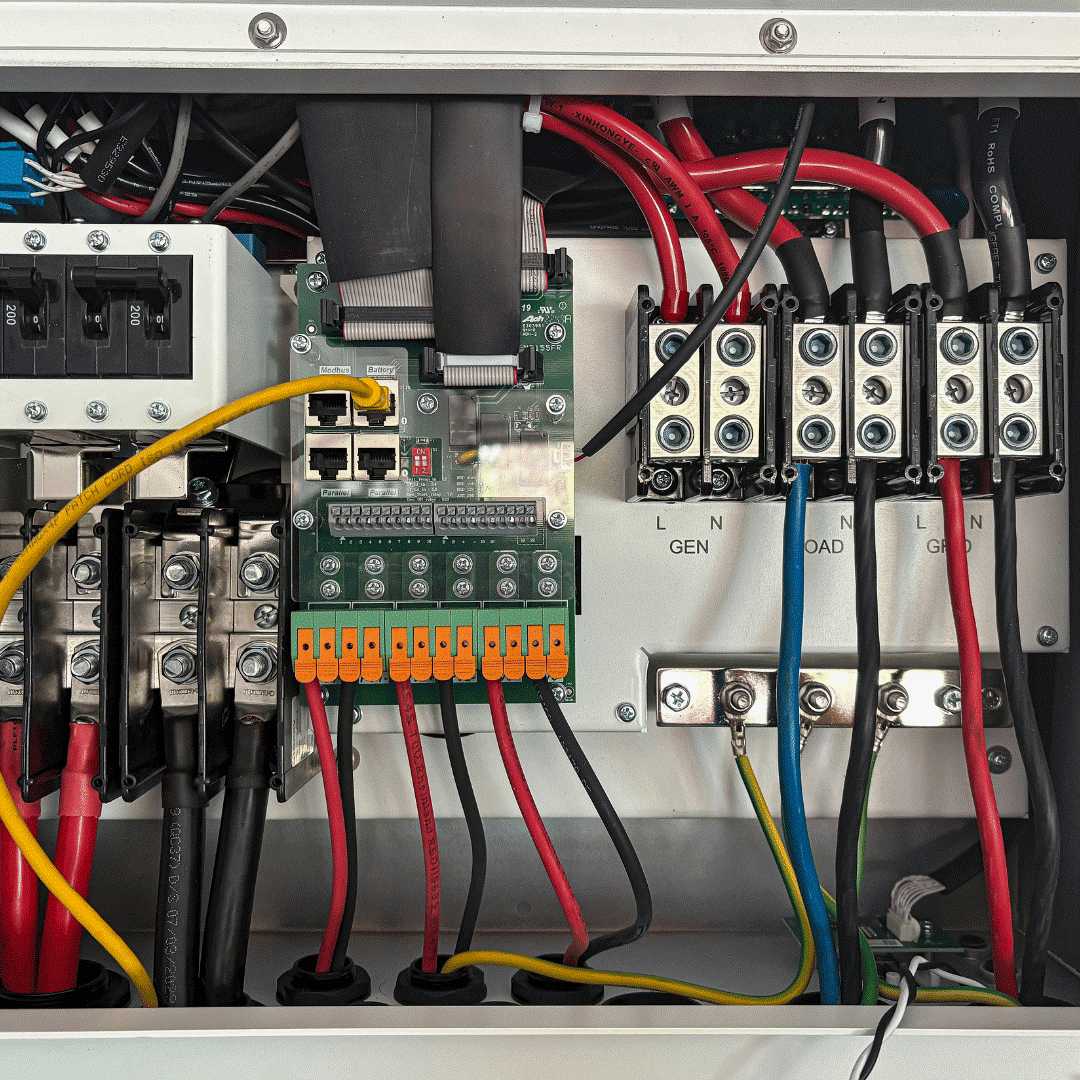
Salt doesn't just corrode metal; it conducts electricity. When salt residue builds up on electrical connections, contactors, and capacitors inside your HVAC unit, it can cause short circuits and component failures. This is a frequently overlooked coastal hvac problem.
You might find that your system trips the breaker often or simply refuses to turn on. These electrical gremlins are frustrating and can happen suddenly. Because the salt air is pervasive, standard electrical components often fail faster here than they would inland.
During an air conditioning repair or routine service, we inspect all electrical connections for signs of salt buildup and corrosion. Tightening connections and applying protective coatings can prevent an unexpected emergency breakdown in the middle of a summer heatwave.
Short Cycling and Efficiency Loss
Because of the combined stressors of heat, humidity, and salt, coastal systems often suffer from "short cycling." This is when the air conditioner turns on and off frequently without completing a full cooling cycle.
Short cycling destroys energy efficiency. It requires a huge amount of energy to start the motor every few minutes. It also prevents the system from effectively removing humidity (as mentioned earlier). This wear and tear is a primary reason why coastal systems often need replacement sooner than those inland.
Upgrading to an energy efficient variable-speed system or a modern carrier unit can solve this. These systems adjust their speed to meet the cooling demand rather than blasting at 100% capacity and then shutting off. This provides consistent cooling, better humidity control, and lower energy bills.
The Importance of Professional Installation and Sizing
Choosing the right HVAC system is critical, but proper installation is equally important. A poorly installed unit in a coastal environment is a ticking time bomb. If the unit isn't elevated properly, it could be vulnerable to flooding or excessive sand accumulation. If the ductwork isn't sealed tight, humid salt air can enter the system, destroying it from the inside out.
Many businesses might offer a quick install, but choose coastal heating experts who understand local challenges. We ensure that your new system is sized correctly for your space—not too big, not too small. An oversized unit will short cycle, while an undersized one will run constantly without ever achieving total comfort.
How We Protect Your Coastal Home Comfort
At Salt Air Heating Cooling & Electrical, your home comfort is our top priority. We know that homeowners near the coast face distinct challenges, and we have tailored our service to meet them head-on.
We offer comprehensive hvac services, from air conditioning installation to heating system repairs. Our HVAC technicians are trained to spot the early signs of coastal corrosion and wear. We believe in being proactive. Instead of waiting for a breakdown, we help you protect your equipment with regular care.
Whether you need a fix for a noisy fan, routine maintenance, or a complete system replacement, we are here to help. We carry affordable options and top-tier brands known for reliability.
Ready for Reliable Coastal Comfort?
Living on the coast is a privilege, and dealing with HVAC issues shouldn't ruin it. Don't let a coastal HVAC issue compromise your comfort or your wallet. If you are concerned about the performance of your current system or want to explore energy efficient options that can withstand the salt air, let's talk.
You can schedule a consultation with our friendly team today. We will assess your current setup, discuss your needs, and provide a clear solution.
Contact Salt Air Heating Cooling & Electrical now to ensure your home stays cool, dry, and comfortable all year round. Let us handle the salt air so you can enjoy the view.