
Signs Your HVAC System Is Quietly Losing Efficiency—Before It Fully Breaks Down
If you live in Wilmington, North Carolina, you know how quickly the heat and humidity can arrive once summer hits. But now—before the hottest months set in—is the perfect time to make sure your HVAC system is ready to take on the challenge. Many homeowners wait until their cooling system fails during a heatwave, but catching HVAC efficiency issues early can save you from discomfort and costly repairs when temperatures soar.
Addressing subtle signs of HVAC efficiency loss before summer means your home will stay comfortable, your energy bills will remain manageable, and you'll avoid the frustration of system breakdowns right when you need cool air most. Let’s look at the quiet warning signs your HVAC system may be struggling, so you can tackle any issues now and enjoy a worry-free, cool summer.
At Salt Air Heating Cooling & Electrical, we believe in catching these issues early. We want you to be comfortable in your home without breaking the bank on wasted energy. Here is how to spot the silent signs that your system is struggling, and what you can do about it.
1. Your Energy Bills Are Mysteriously Climbing
One of the first and most common signs of trouble isn't a noise or a smell—it’s a number on a piece of paper. If your utility costs are skyrocketing but your usage hasn’t changed, your HVAC efficiency is likely plummeting.
When HVAC units lose efficiency, they have to run longer and work harder to maintain the temperature you set on the thermostat. Whether it’s due to dirty air filters, aging equipment, or leaky ducts, the result is the same: you pay more for the same amount of heating or cooling. Keeping an eye on your energy efficiency is the smartest way to protect your wallet.
2. Inconsistent Temperatures and Cold Spots
Have you noticed that the living room feels like an icebox while the bedroom feels like a sauna? Uneven heating or cooling is a classic symptom of poor performance. A well-functioning system should provide consistent temperature control throughout your entire home.
This issue can stem from restricted airflow, problems with your ventilation, or even improper installation of the ductwork. If you are constantly adjusting the thermostat to compensate for cold spots or warm rooms, your system is struggling to distribute air effectively.
3. Weak or Restricted Airflow from Vents
Put your hand up to one of your vents. Does the air rush out with force, or does it feel weak? Weak airflow is often a red flag for restricted airflow deep within the system.
This can be caused by something simple, like dirty filters clogging the intake, or something more complex, like a failing compressor or blower motor. When airflow is compromised, your cooling system has to run twice as long to cool the space, leading to significant hvac efficiency loss. Regular maintenance can often prevent this from becoming a major headache.
4. Strange Noises That Go Bump in the Night
Your HVAC system should be relatively quiet—a gentle hum in the background. If you start hearing rattling, buzzing, grinding, or squealing, pay attention. These strange noises are rarely a good sign.
- Rattling might indicate loose parts or debris in the unit.
- Squealing often points to belt issues or motor bearings needing lubrication.
- Grinding can suggest a serious motor or compressor issue.
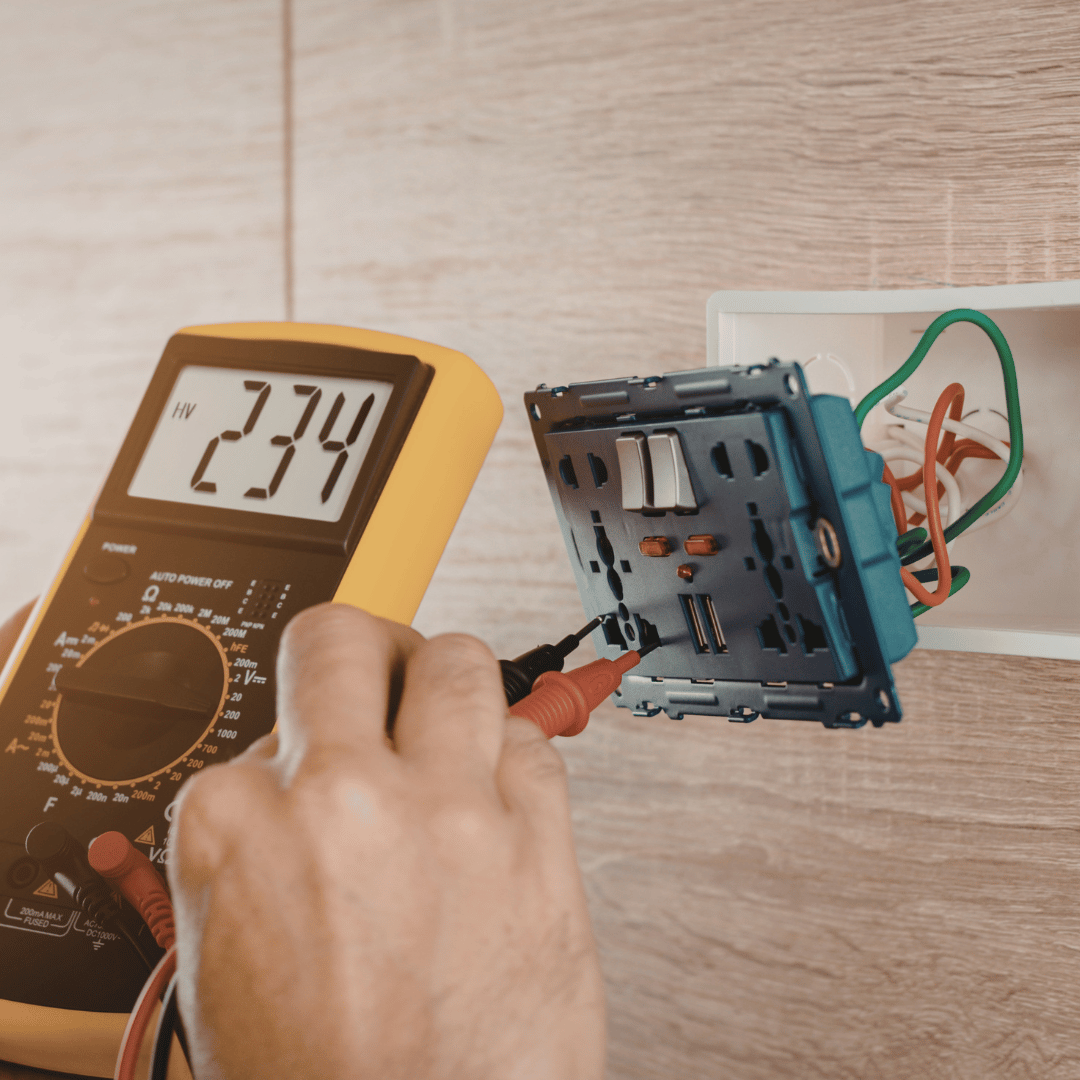
- Buzzing usually signals an electrical issue, like loose wires or failing circuit breakers.
Addressing these sounds early prevents further damage to essential components.
5. The Dreaded Short-Cycling
Does your air conditioner or heater turn on, run for a few minutes, and then shut off, only to turn right back on again? This is called short-cycling. It puts immense stress on the equipment and uses a tremendous amount of electricity.
Short-cycling is one of the most common HVAC failures we see. It can be caused by an oversized unit (improper installation), a thermostat malfunction, or safety switches tripping due to overheating. Not only does this ruin your efficiency, but it also drastically shortens the lifespan of your system.
6. Unusual or Musty Odors
Your nose knows when something is wrong. Musty odors coming from your vents often indicate mold or mildew growth inside your ductwork or on your evaporator coils. This usually happens when there is improper drainage or excess moisture in the system.
On the other hand, burning smells can indicate an electrical issue or overheating parts. These smells impact your indoor air quality and can be a health hazard. Clean air is essential for a healthy home, so don't ignore funky smells.
7. Constant Dust Accumulation
If it feels like you just dusted yesterday but your surfaces are already coated again, your HVAC system might be to blame. While dust is a normal part of life, excessive dust suggests your air filters are failing or you have leaks in your ductwork pulling in dirty air from the attic or crawlspace.
Dirty filters are the most common reasons for system strain. They block airflow, forcing the unit to work overtime. Changing filters is a simple task that facility managers and homeowners alike often overlook, yet it is critical for preventing common HVAC issues.
8. Humidity Levels Are Out of Control
Part of your air conditioning system's job is to remove moisture from the air. If your home feels sticky or clammy during the summer, your cooling system isn't doing its job efficiently.
High indoor humidity can lead to frozen evaporator coils. When airflow is restricted or refrigerant levels are low, the coils get too cold and freeze over. As they thaw, you might notice water leaks around the indoor unit. Proper humidity control is vital for comfort and preventing water damage.
9. The Thermostat Is Never Satisfied
Are you constantly nudging the temperature down, but the room never seems to get cool enough? Thermostat issues are frequent culprits. Sometimes the issue is the device itself—it might be miscalibrated or outdated.
Upgrading to smart thermostats can help you monitor your usage and catch thermostat malfunctions early. However, if the thermostat is working fine and the room is still hot, the issue likely lies with the hvac unit itself, such as low refrigerant levels or a refrigerant leak.
10. The Unit Is Simply Getting Old
Age is the ultimate thief of efficiency. Most HVAC systems last between 10 to 15 years. As they age, components wear out, technology becomes outdated, and efficiency naturally drops.
If your system is over a decade old and requires frequent, costly repairs, it might be time to consider replacement. While a new installation is an investment, modern high-efficiency systems can drastically lower energy bills and improve comfort, paying for themselves over time.
Why Preventative Maintenance Is Your Best Defense
Many of the issues listed above—from dirty air filters to refrigerant leaks—can be caught early with regular maintenance. Think of it like a dentist appointment for your house. You wouldn't wait until your tooth falls out to see a dentist; don't wait until your AC dies in July to call a technician.
Preventative maintenance ensures that electrical components are tight, refrigerant lines are intact, condensate lines are clear, and coils are clean. It stops minor common problem areas from turning into major breakdowns.
How Salt Air Can Help
At Salt Air Heating Cooling & Electrical, we don’t just fix things when they break; we help you maintain a home that is efficient, comfortable, and safe. We understand the frustration of breaker trips, warm air blowing from vents, and the fear of unexpected expenses.
We specialize in diagnosing the root cause of poor performance. Whether it’s a simple filter change or a complex repair involving refrigerant lines, our team approaches every job with transparency and expertise. We want to be the partner you trust to keep your home running smoothly.
Don’t let your HVAC system quietly drain your wallet. If you’ve noticed any of these signs, it’s time to take action.
Ready to restore your home's comfort and efficiency? Contact
Salt Air Heating Cooling & Electrical
today to schedule your system check-up.